Coffee shops are part of daily life. In fact, according to a recent survey, 51% of people stop at a coffee shop at least once a week. To most, coffee shops aren’t just a quick errand to grab a cup of joe. Instead, they’re a place to satisfy a craving for freshly brewed coffee and engage in light-hearted conversation.
For prospective franchisees, understanding the different coffee shop business models is essential to making a smart, scalable investment. This includes learning the financial frameworks, layout styles, and operational strengths behind each model type—and deciding which is the best coffee shop business model for long-term profitability.
Coffee Shop Industry: What to Know
Fueled by daily consumer habits, evolving tastes, and a growing demand for quality experiences, the coffee industry continues to thrive. From on-the-go morning lattes to seasonal specialties, coffee shops generate revenue through a wide range of products that keep customers interested.
Recent research predicts the global coffee market will see a compound annual growth rate (CAGR) of 5.3% from now until 2030, resulting in a value of $369.46 billion. This sustained momentum creates a strong foundation for entrepreneurs looking to invest in coffee franchise opportunities—whether in urban centers or smaller community markets.
5 Coffee Shop Business Models: Which is Best for Profitability?
Successful coffee shops rely on ambiance, customer service, and quality food and beverage offerings to attract and retain customers. Here are some different coffee shop business models to consider:
1. Independent Coffee Shop: Freedom with Risk
Privately owned and operated, independent coffee shops curate their own brand, menu, and atmosphere. Owners have the freedom to build a unique personality while tailoring their offerings to local tastes.
Pros: Independence, local identity, and direct control of decision-making.
Cons: Higher risk and more work —owners need to be an expert on all aspects of opening and running the business including real estate, construction, contracts, procurement, menu, operations, technology, and marketing.
For some, independence feels rewarding. For others, the lack of proven systems makes this a less ideal coffee shop model.
2. Franchise Coffee Shop: Proven Systems for First-Time Owners
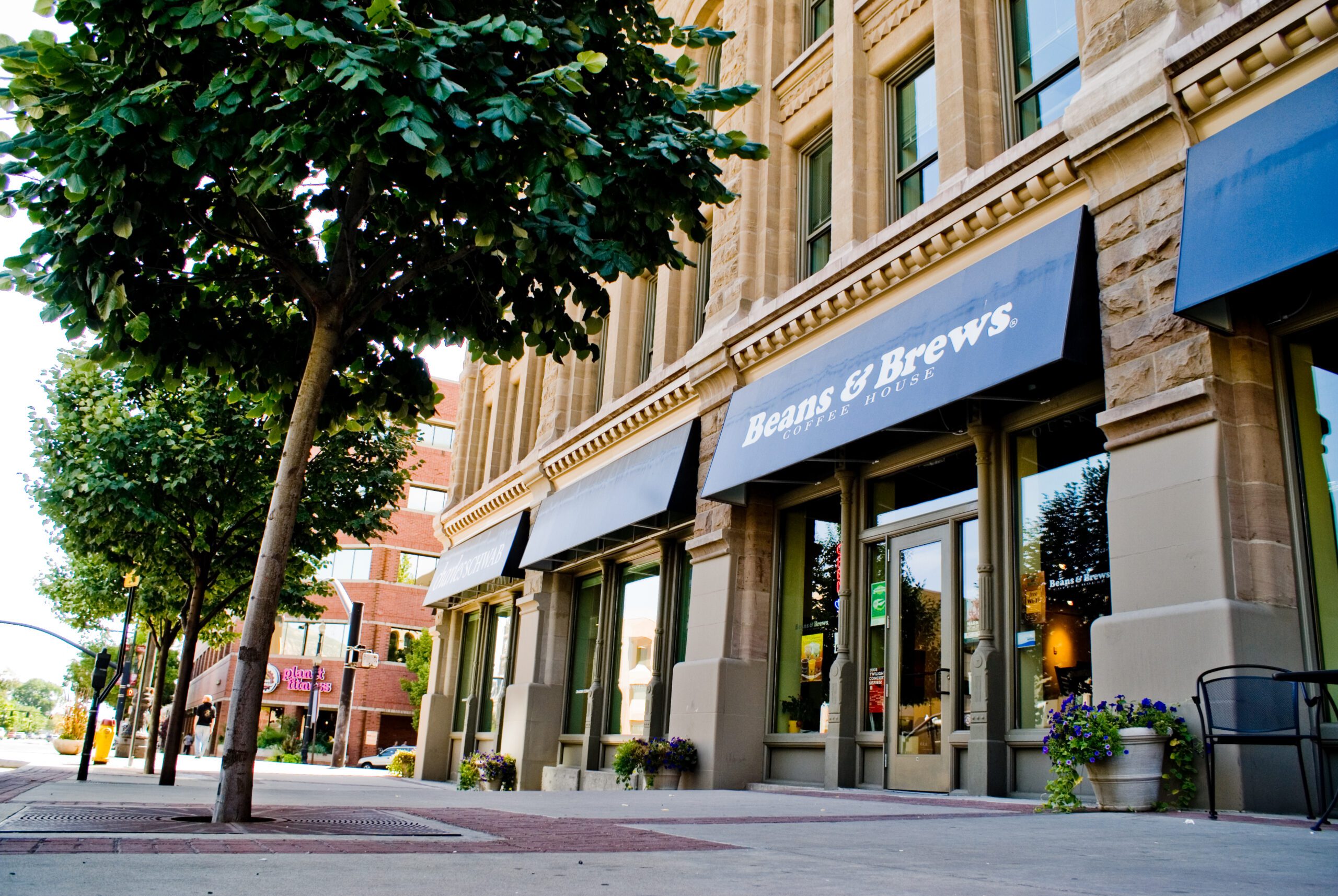
Franchise coffee shops, like a Beans & Brews Coffeehouse, operate under an established brand, following a business model developed by the franchisor. In return, franchisees pay royalties and fees for the right to the brand’s systems and support.
Pros: Lower risk, structured training, negotiated costs, menu support, built-in marketing, and scalable operations.
Cons: Less creative freedom, ongoing royalty commitments.
For entrepreneurs looking for established processes and proven systems, this is often considered the best coffee shop business model because it minimizes risk while maximizing long-term growth.
3. Specialty Coffee Shop: Premium Pricing, Premium Costs
Specialty coffee shops focus on serving high-quality, artisanal coffee beans sourced from specific regions. These types of shops attract coffee connoisseurs who are willing to pay a premium for the expertise, quality, and distinctiveness offered.
Pros: Strong appeal to niche markets, high perceived value.
Cons: Narrow audience, requires coffee expertise, higher sourcing and training costs.
Specialty coffee shops are a strong option for established markets. However, they are not always the best coffee shop business model for first-time investors.
4. Drive-Thru Coffee Shop: Speed and High Profits
Serving busy people seeking convenience and speed, drive-thrus enable customers to place orders without even leaving their cars. With smaller footprints and faster service, they can generate high-volume sales while keeping overhead lower.
Pros: Convenience-driven, low or no seating needed, fast customer turnover, higher sales and profit potential.
Cons: Requires more operational and technology expertise and prime real estate along high-traffic routes.
A common coffee shop business model, this type can be a great option for experienced drive -thru operators but without the support of a franchisor’s proven systems, it can be very challenging for first-time owners who have not run a high-volume drive-thru business.
5. Coffee Shop and Bakery: Diversify and Boost Revenue
Hybrid coffee shops offer a mix of beverages and freshly baked goods like breads, pastries, and cakes, catering to a broad range of customers. By diversifying the menu, business owners are able to create multiple revenue streams while also increasing the average ticket value.
Pros: Multiple revenue streams, menu variety, customer loyalty.
Cons: Requires expertise in both baking and coffee. Challenging overnight schedule if baking fresh daily. Higher equipment and labor costs.
Coffee shop and bakery models work well in community hubs and suburban markets where the bakery is will be a big draw and variety matters most.
Coffee Shop Model: Tips for Staying Rooted and Reaching High
For aspiring franchisees considering entering the coffee industry, understanding the various business and financial models is vital to avoiding potential drawbacks. Regardless of which coffee shop business model you choose, success comes down to execution. Here are a few strategies to maximize profits that work across the board:
- Run efficient, streamlined operations to reduce service times, improve customer experience, and minimize waste.
- Invest in quality equipment and train your staff to ensure consistent, high-quality products.
- Continuously update your menu and introduce new items, seasonal promotions, and limited-time offerings to create excitement and increase sales.
- Launch a customer loyalty program to incentivize repeat business.
- Use the latest technology systems in the store, online ordering and delivery to maximize sales
- Engage with customers through marketing and social media to foster brand loyalty.
- Build a welcoming atmosphere—great coffee shops succeed by being a common ground for customers and employees to connect.
Beans & Brews Coffeehouse: Bring the Mountain Vibes
Beans & Brews Coffeehouse combines the best features of each coffee shop business model—a proven business blueprint, modern drive-thru design, community focus, and product innovation. We’re a rapidly growing brand with prime territories available for investment and we’re searching for entrepreneurs who want to bring our High-Altitude Roasting™ down to their communities.
Our brand even offers multiple business formats, including our standard coffeehouses, express kiosks, and drive-thru only layouts—each designed to thrive. Plus, with startup costs ranging from $407,050 to $812,500, you can pick a business model that aligns with your individual needs and goals.
We’re looking for franchise partners who share our love for quality coffee, community culture, and operational excellence. Sound like you? Together, we’ll boldly go into new territories, roasting high and serving higher. To get started, download our free guide—and see why Beans & Brews is a top choice for first-time franchise owners.